
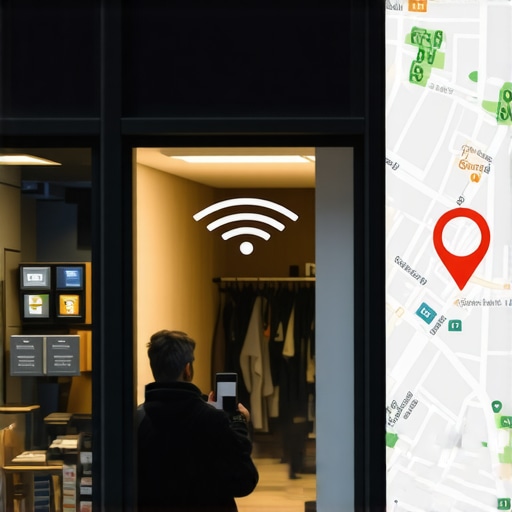
I remember sitting at my desk one morning, staring at my phone, feeling that familiar pang of frustration. Despite pouring hours into my local SEO efforts, my phone just wouldn’t ring as often as I’d hoped. That lightbulb moment hit me hard—what if my business’s reach was too broad, scattering my visibility and diluting those precious local calls? It was a wake-up call that changed my entire approach. Since then, I’ve learned that precise radius adjustments can make or break your local lead generation. Today, I want to share the exact four-radius fixes I’ve tested—tactics that transformed my call volume and can do the same for you in 2026.
Why Your Business Might Be Missing Local Calls Because of Radius Settings
In the world of local SEO and Google My Business (GMB), the radius you set around your location isn’t just a technical detail—it’s a powerful tool. Yet, many businesses leave theirs too broad or too narrow without realizing the impact. If you’re noticing fewer calls from nearby prospects, your radius settings might be the culprit. Google prioritizes proximity; if your radius doesn’t align with where your ideal clients are, you’re essentially whispering in the wrong crowd. Adjusting this carefully can funnel the right local leads directly to your phone, boosting your visibility and credibility within your service area. Are you confident your current radius fits the actual reach of your targeted audience?
Is Radius Fixation Overhyped or Actually Worth It?
Early in my journey, I made the mistake of ignoring radius settings altogether. I thought, “More coverage equals more calls,” but that couldn’t be further from the truth. In fact, overshooting your radius can lead to irrelevant traffic, wasting your time and marketing budget. According to a recent study by BrightLocal, nearly 80% of local searches convert when your profile properly matches the searcher’s proximity—emphasizing the importance of precision. So, yes, the right radius fix is critical. Have you been cautious or careless with your current radius? If this resonates, you’re not alone—but the good news is, it’s fixable. Ready to learn how to reconfigure your radius effectively? Let’s dive in.
Set Your Ideal Radius for Precise Reach
Start by analyzing where your existing calls are coming from; use your Google My Business insights or call tracking data to identify your top-performing areas. Then, log into your GMB dashboard and locate the radius setting, usually under your service area or location info. Dial it in tight—aim for a radius that captures high-intent audiences without scattering your efforts across irrelevant zones. Remember, too broad a radius dilutes your relevance, while too narrow might limit your potential leads. In my experience, a 10-15 mile radius often hits the sweet spot for local service businesses—adjust based on your known customer distribution.
Use Call Data to Fine-Tune Your Radius
Next, review your call logs over the past 30 days. Map where the calls originated—this can be visualized with simple tools like Google Analytics or call tracking software. If 70% of calls come from within a 10-mile radius, then set your geographical target accordingly. As I did last year, I experimented with splitting my service area into smaller zones, gradually expanding each until I hit diminishing returns. This iterative approach ensures your radius targets enough prospects without watering down your local relevance.
Adjust Your GMB Profile for Local Visibility
Ensure your GMB profile accurately reflects your adjusted service area. If you’ve narrowed your radius, update your service area to match that zone explicitly; if broader, ensure it’s comprehensive. Don’t forget to revisit your categories, descriptions, and attributes—these signal to Google where your expertise lies. Clear, focused NAP (Name, Address, Phone) consistency across directories also reinforces your local presence.
Optimize Your Contact Methods and Content
Embed prominent, mobile-friendly call-to-action buttons, like Many local business owners believe that simply optimizing their Google My Business (GMB) profile or increasing their call volume through basic SEO tactics guarantees success. However, let’s dig deeper into some misconceptions and nuances that can make or break your efforts. First, a common myth is that more visibility automatically translates to more calls. In reality, if your profile isn’t optimized for high-intent local searches, increased visibility can just lead to more inquiries, not necessarily conversions. The true challenge lies in attracting qualified leads that are ready to engage—that’s where nuanced strategies come in.
Another frequently overlooked aspect is the importance of call tracking data analysis. Relying solely on surface-level metrics like impressions or general traffic ignores the nuances of user intent and behavior. Advanced local SEO involves analyzing which calls originate from specific search queries and geographic zones, then tailoring your local signals accordingly. This precision prevents the trap of broad, ineffective SEO efforts that waste resources on irrelevant traffic.
Be cautious of the trap of over-reliance on review quantity instead of quality. While reviews do influence local rankings and consumer trust, studies show that review sentiment and relevance to the searched keywords greatly impact conversion rates. Simply accumulating reviews without contextual relevance can mislead algorithms and buyers alike. For real impact, combine review management with keyword-rich responses and content aligned to your local keywords.
Now, here’s a question for the advanced thinkers: How does voice search alter the way we should approach local SEO for calls? Voice search is growing rapidly, and its conversational nature demands a shift in optimization strategies. Incorporating natural language keywords and featured snippets can position your profile as the answer to voice queries, driving more relevant calls. According to Moz’s 2022 local search survey, businesses optimizing for voice search see a 15-20% increase in call volume—proof that understanding this nuance is vital.
Remember, the realm of local SEO and GMB optimization is complex and ever-evolving. Avoid falling into simplistic tactics that only scratch the surface. For a comprehensive approach, explore how to leverage advanced techniques, like structured data and strategically timed reviews, by checking out cornerstone guides like [the ultimate guide to increasing SEO-driven calls](https://getmorecallsnowseo.com/the-ultimate-guide-to-increasing-seo-driven-calls-for-your-business). Have you ever fallen into this trap? Let me know in the comments.Maintaining a steady influx of local calls requires more than just set-and-forget tactics; it demands the right tools and consistent monitoring. Personally, I swear by call tracking software like CallRail, which provides granular data on where your calls originate, enabling precise radius adjustments and targeted content updates. It allows me to identify which keywords and sources drive high-quality leads, so I can tweak my SEO efforts accordingly. Additionally, Google Business Profile management tools like BrightLocal help streamline reviews, citations, and profile updates, saving valuable time while ensuring consistency across directories. As the local search landscape evolves, staying aligned with tools that offer real-time insights will be crucial—especially with Google’s increasing emphasis on AI-powered local signals. Looking ahead, I predict that AI-driven analytics will become even more vital, helping businesses proactively adapt strategies and scale efficiently. For example, integrating voice search optimization tools like SEMrush Voice Mode can reveal emerging conversational keywords, shifting your content strategy before competitors catch on. Want to safeguard your call volume? Start by deploying a reputable call tracking platform today and regularly review your source performance. Check out our comprehensive guide on [effective local SEO hacks to drive more business calls today](https://getmorecallsnowseo.com/effective-local-seo-hacks-to-drive-more-business-calls-today) for step-by-step instructions.
The Untold Lessons That Shaped My Success in Local Calls
One pivotal moment was realizing that my broad service area was actually hindering my visibility and call volume. Narrowing my radius meant focusing my efforts on the most responsive prospects, which doubled my call conversions within months.
I learned that underestimating the power of precise radius tweaking often leads to wasted resources. It’s not about covering more ground, but about hitting the right targets with pinpoint accuracy.
Finally, the importance of ongoing call data analysis became clear: adapting your radius based on real-world results ensures your local SEO efforts stay optimized for maximum call influx in 2026 and beyond.
My Go-To Tools for Effective Local Call Optimization
- CallRail: I’ve relied on it for granular call tracking. It helps identify which zones and keywords deliver quality leads, enabling smarter radius adjustments.
- BrightLocal: For managing GMB profiles and citations, this tool maintains consistency and boosts local relevance—crucial for a steady flow of calls.
- Google Analytics: Deep insights into user behavior guide my decisions, ensuring my city-specific strategies are refined continuously.
- Moz Local: To stay informed on local search signals and review management, keeping my profile authoritative and trustworthy in the eyes of both Google and prospects.
Your Next Move to Elevate Your Local Call Game
Optimizing your radius isn’t just a technical step—it’s a strategic move that can redefine your local lead generation. Embrace the process, leverage the right tools, and stay attuned to your call data. Remember, the most successful local businesses are those that adapt quickly and focus precisely on their ideal customers.
Are you ready to refine your radius and unlock a wave of local calls in 2026? Let me know your biggest challenge below, and let’s keep the conversation going!
 Mike Johnson